Zaloguj się
  • Polski

Latest posts

Blog

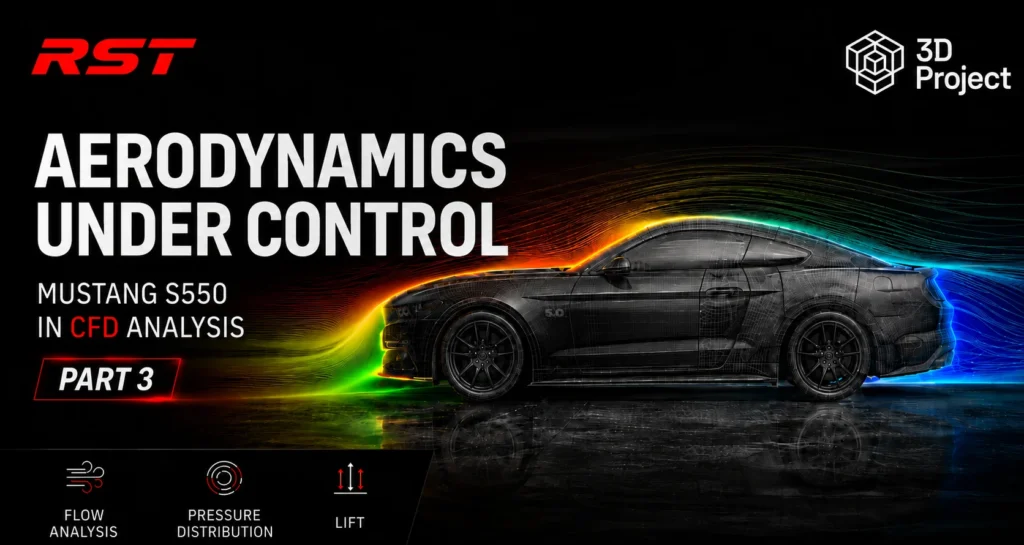
Aerodynamics Under Control, Part 3: Mustang S550 with a Rear Wing in CFD Analysis

In the first part of the series, we analyzed the stock Ford Mustang GT 5.0 S550. In the second part, we added canards and showed how small front aero elements can influence local airflow and reduce lift. Now we move on to one of the most recognizable aerodynamic components in motorsport. Part three focuses on the Mustang S550 equipped only with a rear wing. No canards, no complete aero package, and no additional front-end aerodynamic elements. Just the factory fastback body and a rear wing working at the back of the car. This is where the real work begins against one of the biggest aerodynamic challenges of the Mustang S550: airflow behind the roof, rear glass, and trunk lid.
Read more
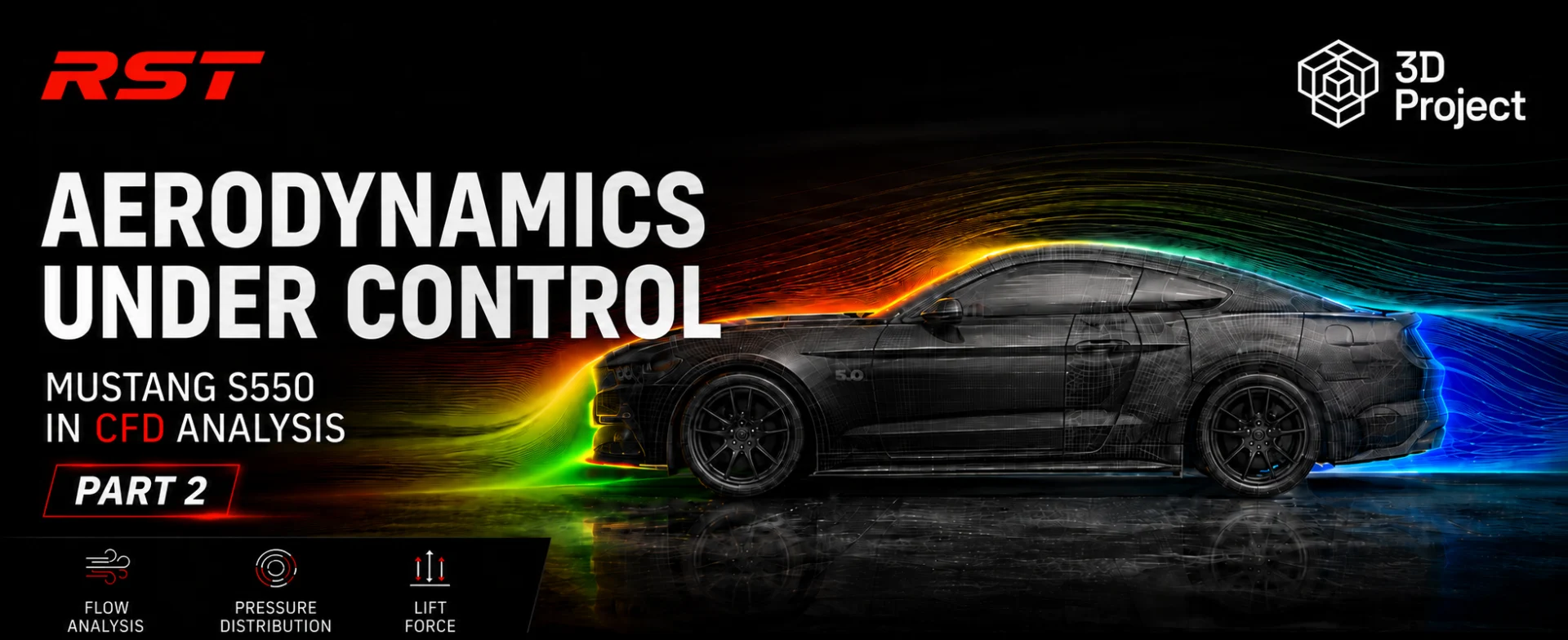
Aerodynamics Under Control, Part 2: Mustang S550 with Canards in CFD Analysis

In the first part of the series, we analyzed the stock Ford Mustang GT 5.0 S550. No additional aerodynamic components, no canards, and no rear wing. Just the factory fastback body, which already showed noticeable lift, disturbed airflow behind the car, and areas that required further aerodynamic control. Part two is the first step toward modifying the airflow. This time, the analysis focuses on a Mustang S550 equipped with front canards. These components are often associated mainly with an aggressive visual appearance, but their real purpose begins where styling ends. Canards operate in one of the most critical areas of the body - around the front bumper corners, where the incoming air starts to split into airflow moving over the car, along the sides, and underneath the vehicle. In this part, we check whether a relatively small front aero component can have a real impact on pressure distribution, lift, and the overall airflow behavior around the Mustang S550.
Read more

Mustang “Orange” after the season – Restomotive parts inspection after 1,500 miles

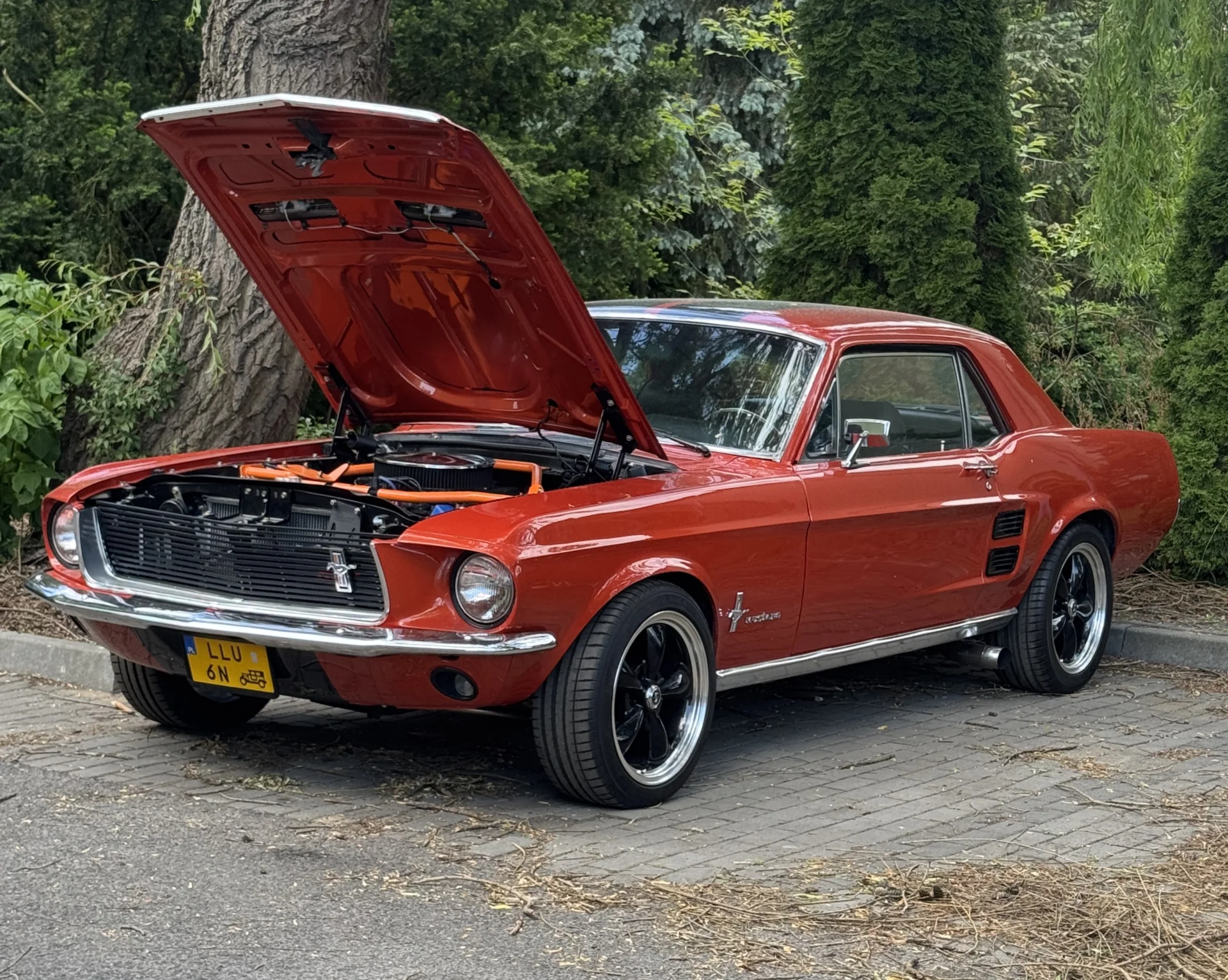
Orange Mustang returned to us for an inspection before the next season. Since the installation of Restomotive parts, the car has covered approximately 1,500 miles, which gave us a good opportunity to check how our solutions perform in real-world use. This was not an inspection of a car that sits in a garage and only looks good in photos. This is a classic Mustang that drives, works under load, and shows how the suspension and cooling system upgrades perform over time. The car is equipped with the Restomotive 4-link rear suspension, the Restomotive Classic bolt-on front suspension, and during the next stage of the project’s development, the old steel upper control arm was replaced with a Restomotive upper control arm. A Restomotive oil cooler was also installed on the car.
Read more

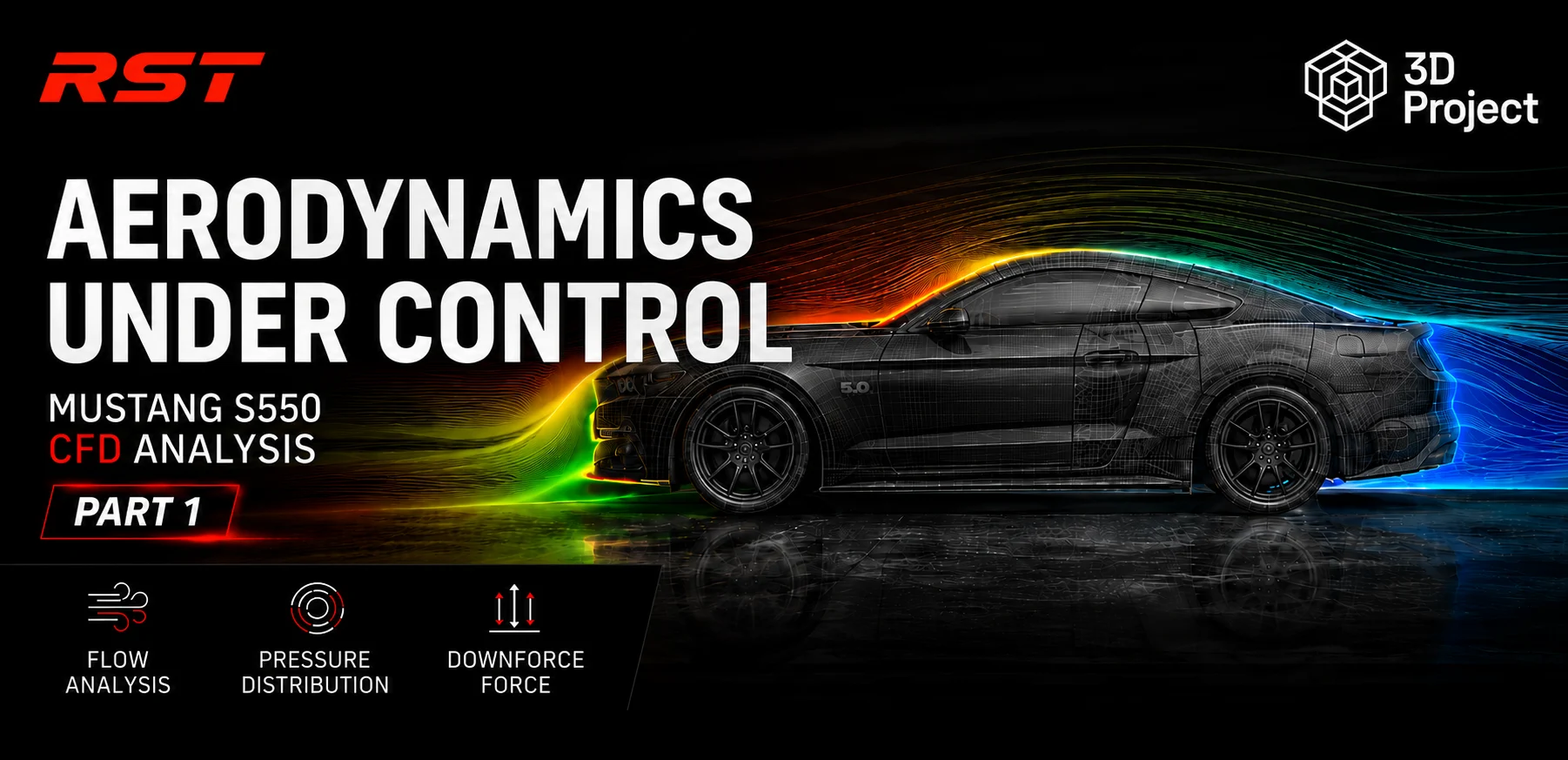
Aerodynamics Under Control, Part 1: Stock Mustang S550 CFD Analysis

In the world of track-focused cars, a powerful engine, stiff suspension, and strong brakes are no longer enough. At high speeds, something comes into play that you cannot see from the cockpit, but can clearly feel through the steering wheel - aerodynamics. The Ford Mustang GT S550 features a highly distinctive body shape. Its long hood, aggressively raked windshield, sloping roofline, and fastback silhouette create a design that looks stunning, but at high speeds also generates very specific airflow characteristics.
Read more

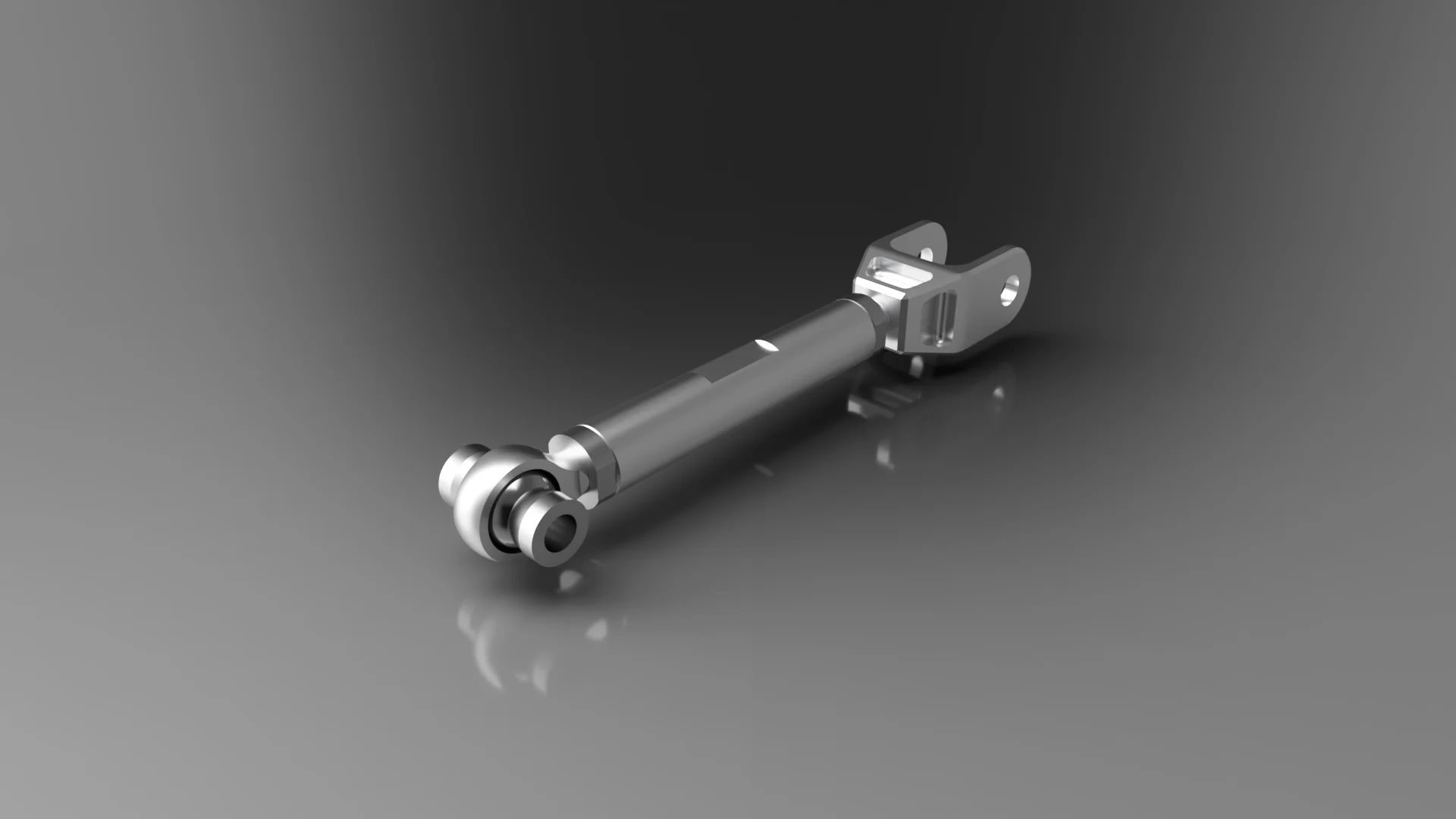
Precision Architecture, Part 5: Rear Lower Toe Link Mustang S550

In the fourth installment of our series, we dive deeper into the rear axle of the Mustang S550. Today, we focus on a component that, despite its small size, has a massive impact on how your car delivers power to the pavement: the Rear Toe Link.
Read more

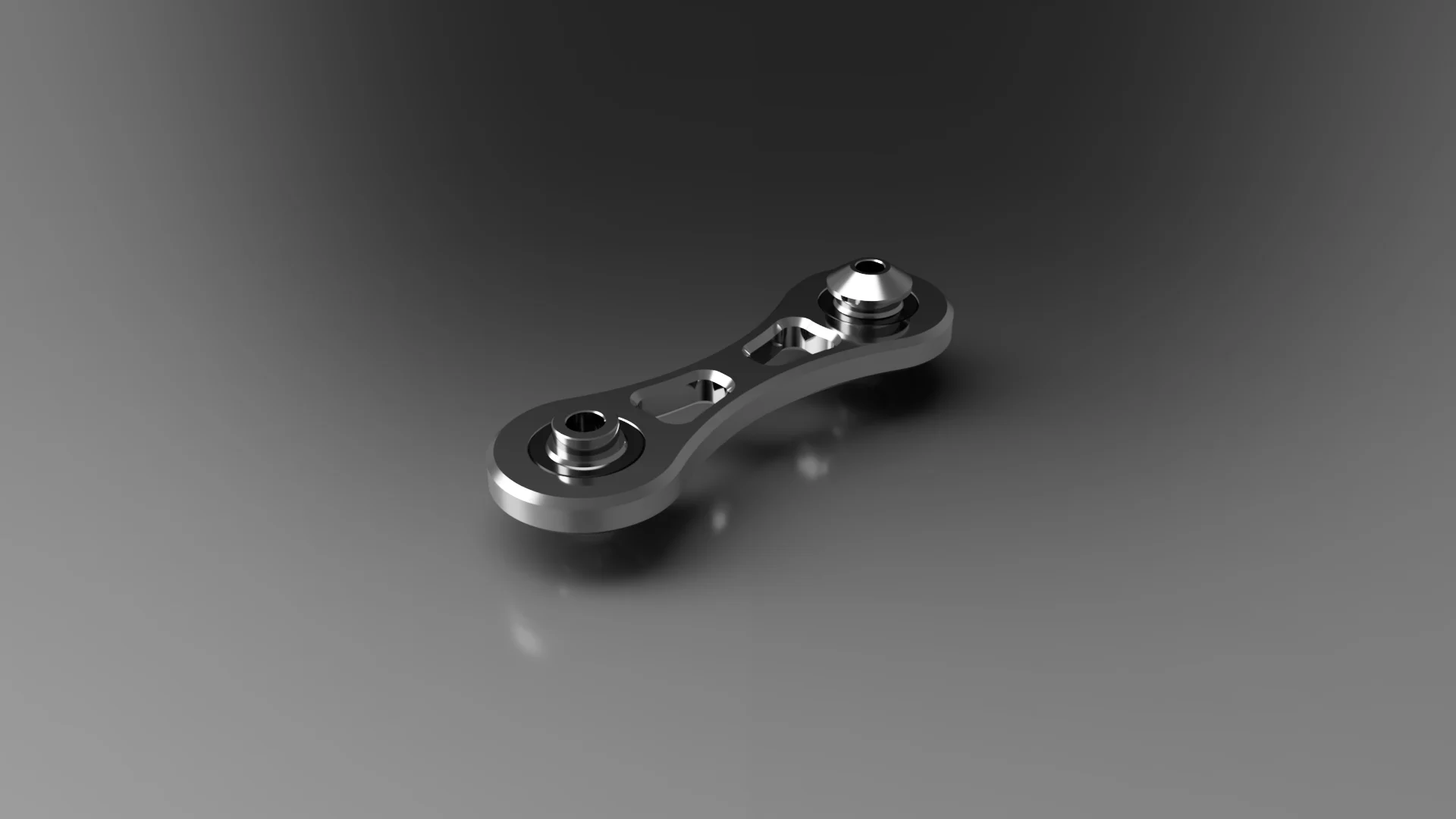
Precision Architecture, Part 4: The Restomotive Rear Vertical Link in Mustang S550

In the fourth installment of our series, we dive deeper into the rear axle of the Mustang S550. Today, we focus on a component that, despite its small size, has a massive impact on how your car delivers power to the pavement: the Rear Vertical Link.
Read more

Precision Architecture, Part 3: Rear Upper Control Arm (RUCA) Mustang S550

We’re moving to the rear axle. If your Mustang suffers from violent vibrations during a hard launch (the infamous wheel hop) or if the rear end feels disconnected mid-corner, the culprit is usually the factory upper control arm-commonly known as "banana." At Restomotive, we re-engineered this component from the ground up to eliminate the biggest weakness of the S550 IRS (Independent Rear Suspension).
Read more

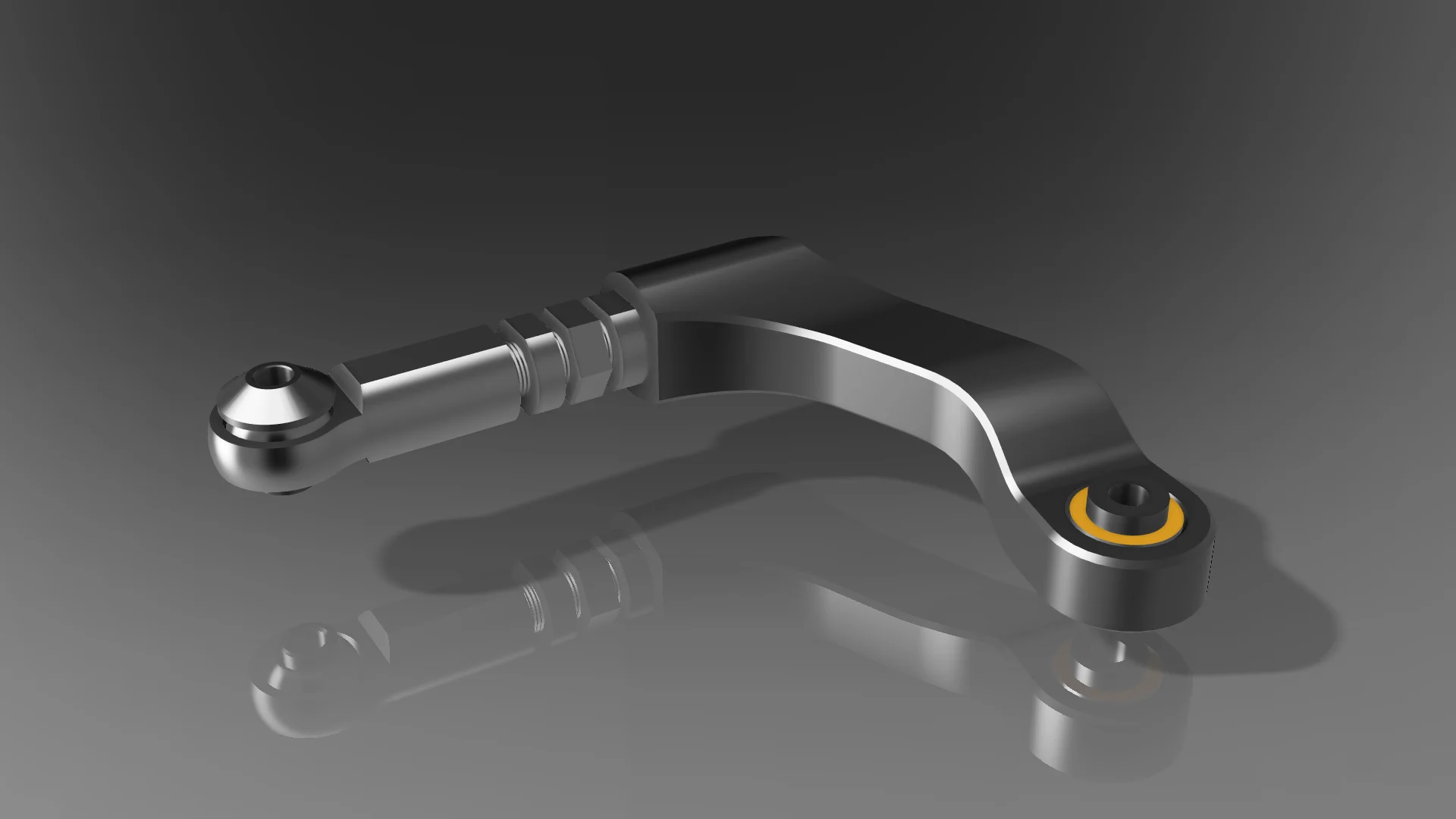
Precision Architecture, Part 2: Restomotive Mustang S550 Front Upper Lateral Link

We have already discussed the tension link, which stabilizes the wheel longitudinally. Today, we’re diving deeper into the front-end kinematics of the Mustang S550 to examine the component that dictates exactly how much grip you have at the apex: the front upper lateral link.
Read more

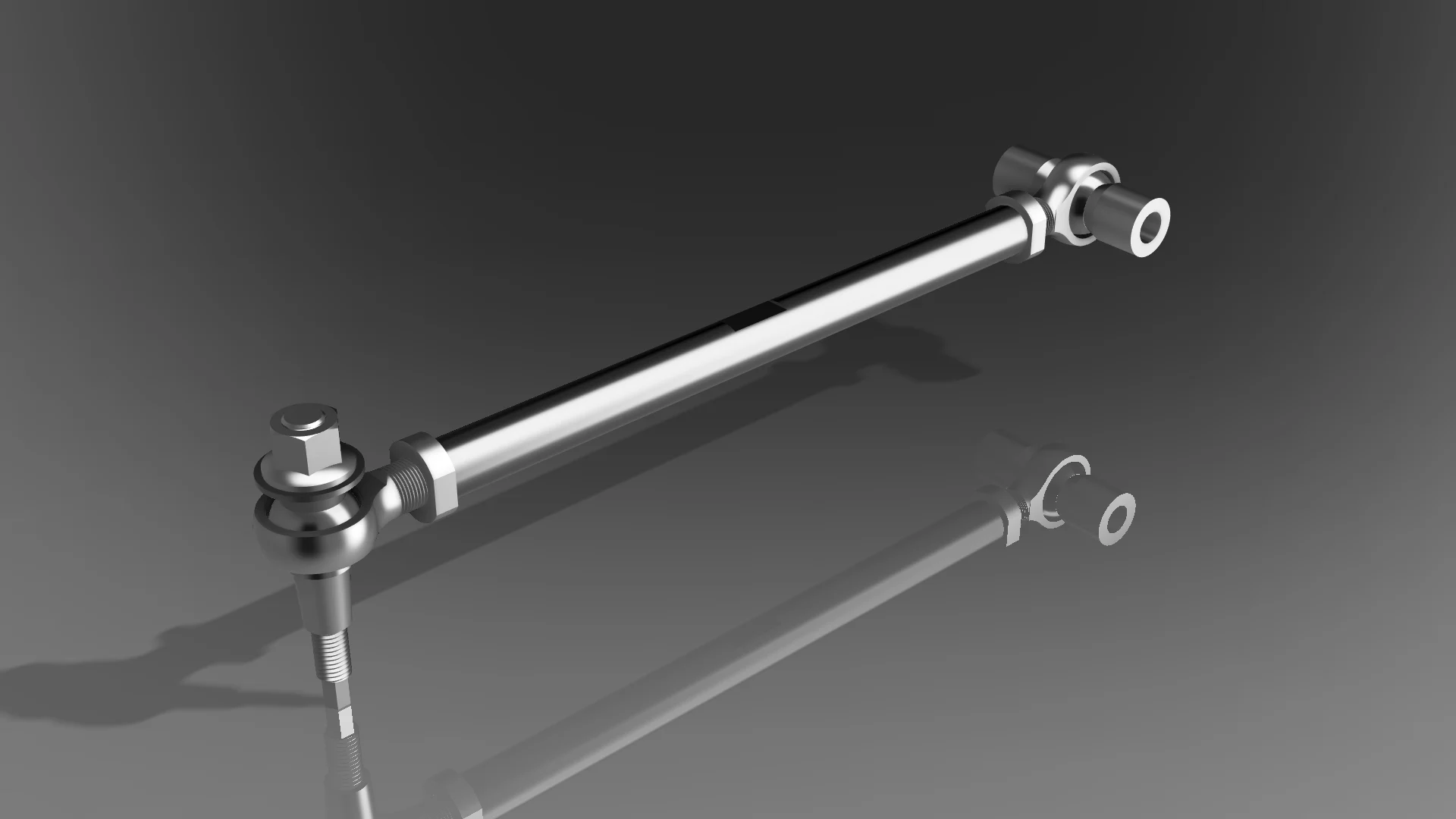
Precision Architecture, Part 1: The GTM-Spec Front Lower Radius Arm Mustang S550

In the world of high-performance suspension, there is no room for guesswork. Every bit of uncontrolled movement results in a loss of traction and precious seconds bleeding out on every lap. Today, we’re putting one of the most critical components of the Mustang S550 under the microscope: the front lower tension link, also known as the radius arm.
Read more

Restomotive: Materials Engineering and the Technology of the Future

At Restomotive, we don’t just "improve" the factory setup. We rebuild it from the ground up. Our philosophy is rooted in bringing rigorous aerospace and motorsport standards to public roads and racetracks alike. Every control arm, bushing, and bolt that leaves our design office is the result of cold data analysis and an uncompromising selection of materials.
Read more